
Automatic door systems have become a standard feature in modern buildings, offering convenience, accessibility, and improved efficiency. From shopping malls and hospitals to offices and industrial facilities, these systems play a vital role in creating safe and user-friendly environments. But what exactly is an automatic door system, and how does it work? Let’s break it down.
What Is an Automatic Door System?
An automatic door system is a powered door mechanism that opens and closes automatically without manual effort. It uses sensors, control units, and drive systems to detect approaching users and operate the door accordingly. These systems are designed to improve accessibility, manage foot traffic, enhance hygiene, and optimize energy efficiency.
Automatic doors are especially important in public and commercial spaces where high traffic, safety compliance, and user convenience are critical.
Key Components of an Automatic Door System
An automatic door system typically consists of the following core components:
1. Sensors
Sensors detect motion or presence near the door. Common types include:
- Motion sensors
- Microwave or radar sensors
- Infrared sensors
- Pressure or touchless activation sensors
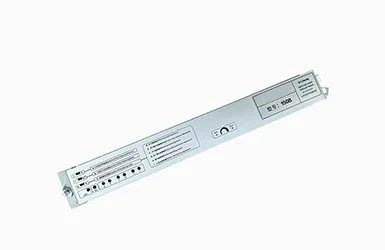
2. Control Unit
The control unit is the “brain” of the system. It processes signals from sensors and determines when and how the door should operate.
3. Drive Mechanism
This includes the motor, gears, and belts that physically move the door panels. The drive system ensures smooth, controlled, and quiet operation.
4. Door Panels and Track System
Depending on the design, doors may slide, swing, fold, or rotate along a guided track or hinge system.
5. Safety Devices
Safety features such as obstacle detection, emergency stop functions, and manual override systems help prevent accidents and ensure compliance with safety standards.
Types of Automatic Door Systems
There are several common types of automatic doors, each suited for different applications:
- Automatic Sliding Doors – Widely used in retail stores, airports, and hospitals
- Automatic Swing Doors – Ideal for offices, schools, and retrofit projects
- Automatic Folding Doors – Suitable for narrow entrances
- Automatic Revolving Doors – Used in hotels and commercial buildings for energy efficiency
How Does an Automatic Door System Work?
When a person approaches, the sensor detects movement or presence and sends a signal to the control unit. The control unit activates the motor, which opens the door smoothly. After a preset time or once the area is clear, the door automatically closes. Advanced systems can adjust speed, opening width, and timing based on traffic flow and safety requirements.
Benefits of Automatic Door Systems
Installing an automatic door system offers numerous advantages:
Improved Accessibility
Automatic doors comply with accessibility regulations and make entry easier for people with disabilities, elderly users, and those carrying items.
Enhanced Hygiene
Touchless operation reduces physical contact, making automatic doors ideal for hospitals, laboratories, and food-related facilities.
Energy Efficiency
By opening only when needed and closing automatically, these systems help maintain indoor temperature and reduce energy loss.
Professional Appearance
Automatic doors give buildings a modern, high-end look that enhances brand image and customer experience.
Increased Safety
Built-in safety sensors and controlled movement reduce the risk of injuries compared to manual doors.
Common Applications of Automatic Door Systems
Automatic door systems are widely used in:
- Commercial buildings
- Shopping centers and supermarkets
- Hospitals and healthcare facilities
- Airports and transportation hubs
- Hotels and office buildings
- Industrial and warehouse environments
Choosing the Right Automatic Door System
When selecting an automatic door system, consider:
- Traffic volume and usage frequency
- Building layout and entrance size
- Safety and accessibility requirements
- Environmental conditions (indoor vs outdoor)
- Maintenance and long-term reliability
Working with experienced suppliers ensures proper system selection, installation, and ongoing support.
Conclusion
An automatic door system is more than just a convenience—it is a smart investment in accessibility, safety, hygiene, and energy efficiency. Whether for commercial, healthcare, or industrial use, these systems improve user experience while meeting modern building standards.
If you are looking for professional automatic door solutions or expert guidance, Teeky International is ready to help. For inquiries and support, please contact: msgigifok@foxmail.com