
Automatic doors rely on one critical component to operate smoothly and reliably—the automatic door motor. Whether used in shopping malls, hospitals, offices, or industrial buildings, the motor determines how efficiently, quietly, and safely the door functions. In this guide, we’ll explore the types of automatic door motors, how motor power is selected, and how long these motors typically last.
What Is an Automatic Door Motor?
An automatic door motor is the mechanical drive unit that converts electrical energy into motion, allowing doors to open and close automatically. The motor works together with sensors, control panels, belts or gears, and safety systems to ensure smooth and controlled movement.
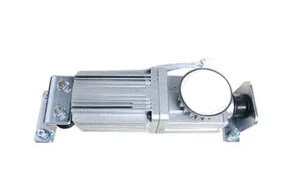
Types of Automatic Door Motors
Different applications require different motor types. Below are the most common automatic door motor categories:
1. DC Motors (Direct Current)
DC motors are widely used in modern automatic door systems.
- Advantages: Energy-efficient, quiet operation, precise speed control
- Best for: Sliding doors, light to medium traffic areas
- Common locations: Retail stores, offices, hospitals
2. AC Motors (Alternating Current)
AC motors are known for durability and consistent power output.
- Advantages: Strong torque, stable performance
- Best for: Heavy doors and continuous operation
- Common locations: Industrial buildings, warehouses
3. Brushless Motors
Brushless motors are increasingly popular in premium automatic door systems.
- Advantages: Low maintenance, longer lifespan, reduced noise
- Best for: High-traffic commercial entrances
- Common locations: Airports, shopping centers, hotels
4. Geared Motors
These motors include a gearbox to increase torque.
- Advantages: Handles heavy doors smoothly
- Best for: Large or reinforced glass doors
- Common locations: Commercial and public buildings
Understanding Automatic Door Motor Power
Motor power determines how well a door handles weight, size, and usage frequency. Choosing the correct power level is essential.
Key Factors That Affect Motor Power Selection:
- Door weight and size – Heavier doors require stronger motors
- Traffic frequency – High-traffic doors need higher power and durability
- Door type – Sliding, swing, folding, or revolving doors all have different power needs
- Opening speed requirements – Faster operation demands higher motor performance
Most automatic door motors are rated in watts (W) or newton-meters (Nm) for torque. Commercial-grade systems typically use motors ranging from 60W to 150W, depending on application.
How Long Do Automatic Door Motors Last?
The lifespan of an automatic door motor depends on usage, quality, and maintenance.
Average Motor Lifespan:
- Standard commercial motors: 8–12 years
- High-quality or brushless motors: 12–20 years
- Heavy-duty industrial motors: 10–15 years with proper servicing
Factors That Affect Lifespan:
- Frequency of opening and closing cycles
- Environmental conditions (dust, moisture, temperature)
- Load stress from heavy doors
- Regular maintenance and timely part replacement
Routine inspections, lubrication, and sensor calibration can significantly extend motor life.
Signs an Automatic Door Motor Needs Attention
- Slower door movement
- Unusual noise or vibration
- Inconsistent opening or closing
- Frequent system errors or shutdowns
Addressing these issues early can prevent full motor failure and reduce repair costs.
Conclusion
Automatic door motors play a vital role in ensuring smooth, safe, and efficient door operation. Understanding motor types, power requirements, and expected lifespan helps building owners and facility managers make smarter decisions and avoid unnecessary downtime. For expert guidance on selecting reliable automatic door motors or upgrading existing systems, contact Teeky International at msgigifok@foxmail.com for professional support and solutions.