
A garage door opener is an essential component of modern residential and commercial properties. It provides convenience, security, and reliable daily access. However, like all mechanical and electronic equipment, garage door openers have a limited lifespan.
If you are wondering how long a garage door opener lasts, what factors affect its durability, and how to extend its service life, this guide provides a comprehensive and professional overview.
Average Lifespan of a Garage Door Opener
On average, a garage door opener lasts 10 to 15 years under normal operating conditions. In some cases, well-maintained systems can function efficiently for up to 20 years.
The actual lifespan depends on several factors, including:
- Frequency of daily use
- Type of drive system
- Quality of installation
- Environmental conditions
- Maintenance routine
Commercial systems that operate multiple times per hour may experience faster wear compared to residential units used only a few times per day.
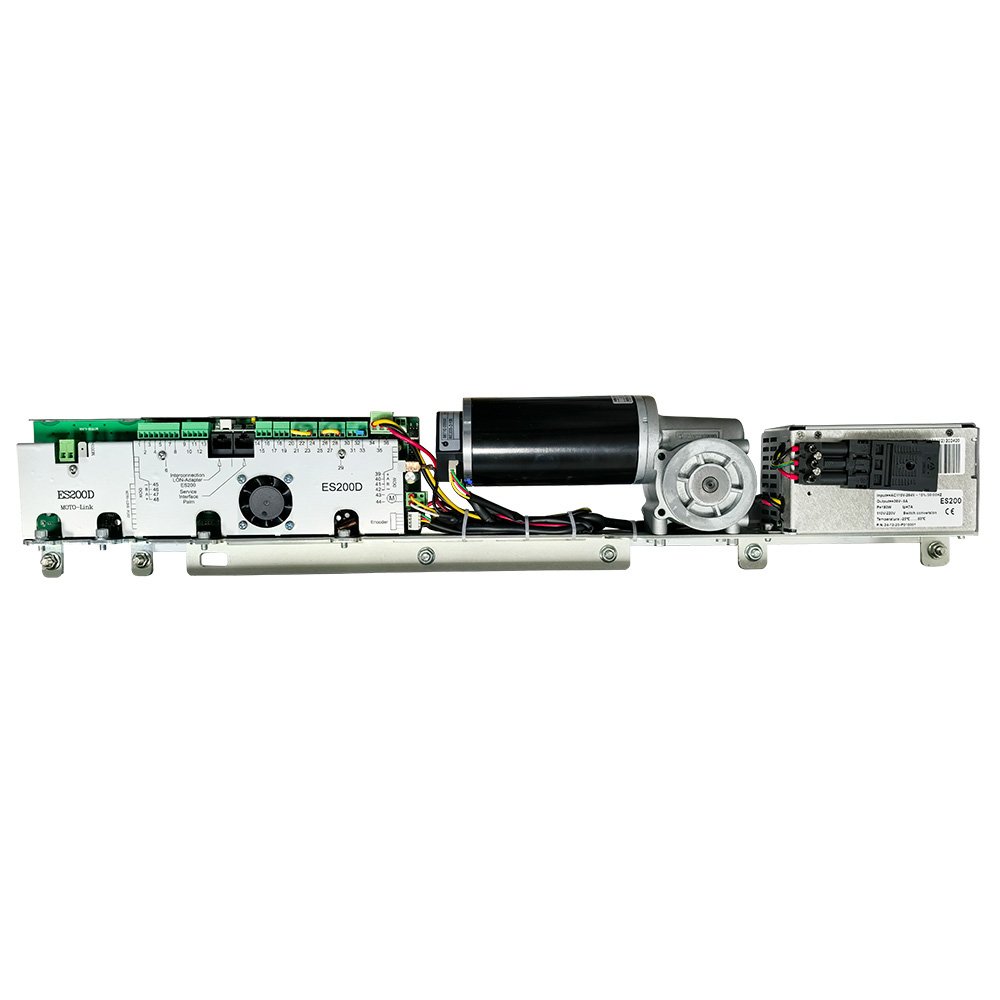
Types of Garage Door Openers and Their Durability
Different types of garage door openers vary in durability, noise level, maintenance requirements, and ideal applications. The table below provides a structured comparison:
| Opener Type | Average Lifespan | Noise Level | Maintenance Needs | Best For | Key Advantages |
|---|---|---|---|---|---|
| Chain-Drive | 10–15 years | Moderate to High | Regular lubrication required | Heavy or large doors | Durable, cost-effective, strong lifting capacity |
| Belt-Drive | 12–15 years | Low | Minimal maintenance | Residential garages attached to homes | Quiet operation, smooth performance |
| Screw-Drive | 10–14 years | Moderate | Periodic lubrication of screw mechanism | Moderate-weight doors | Fewer moving parts, simple design |
| Direct-Drive | 15+ years | Very Low | Low maintenance | Noise-sensitive environments | Extremely quiet, long lifespan |
| Jackshaft (Wall-Mounted) | 15+ years | Low | Moderate | High ceilings or limited overhead space | Space-saving design, advanced safety features |
Factors That Affect Garage Door Opener Lifespan
1. Usage Frequency
The more cycles (open and close operations) a system performs daily, the faster internal components wear out. Residential doors typically operate 3–5 cycles per day, while commercial doors may exceed 20 cycles daily.
2. Door Weight and Balance
An unbalanced or excessively heavy garage door places additional strain on the motor and drive system. Proper spring tension and alignment are essential to reduce mechanical stress.
3. Climate and Environment
Extreme temperatures, humidity, dust, and corrosive environments can reduce electronic and mechanical lifespan. Cold climates may thicken lubricants, while high humidity can cause corrosion.
4. Quality of Components
Higher-quality motors, gears, and control boards typically last longer. Investing in professional-grade equipment ensures better durability and fewer breakdowns.
5. Maintenance Practices
Routine inspection and servicing significantly extend system life.
Maintenance Tips to Extend Garage Door Opener Life
Proper maintenance can add several years to your garage door opener’s service life.
1. Inspect and Tighten Hardware
Vibration during operation can loosen bolts, brackets, and mounting hardware. Check and tighten components every six months.
2. Lubricate Moving Parts
Apply appropriate lubricant to:
- Chain or screw drive mechanisms
- Rollers
- Hinges
- Bearings
Avoid over-lubricating, as excess grease can attract dust.
3. Test Door Balance
Disconnect the opener and manually lift the door halfway. If it does not stay in place, the springs may require adjustment by a qualified technician.
4. Clean Tracks and Sensors
Keep tracks free of debris and ensure safety sensors are aligned and clean to prevent operational errors.
5. Check Safety Reversal System
Test the auto-reverse function by placing an object under the door. The door should reverse immediately upon contact.
6. Replace Worn Components Early
Belts, gears, and batteries should be replaced at the first signs of wear to prevent major system damage.
When Should You Replace a Garage Door Opener?
Consider replacement if:
- The unit is over 15 years old
- Replacement parts are no longer available
- It lacks modern safety features
- Energy efficiency is poor
- Repair costs are frequent and high
Newer models offer improved quiet operation, enhanced security encryption, smart connectivity, and better energy efficiency.
Final Thoughts
A garage door opener typically lasts 10 to 15 years, but with proper maintenance and responsible usage, it can exceed that range. Routine inspections, timely lubrication, and early component replacement are essential for maximizing system longevity and performance.
For professional garage door opener solutions, technical consultation, or OEM/ODM cooperation, please contact Teeky International at msgigifok@foxmail.com.