
With the growing demand for automatic sliding doors in commercial and residential buildings, the decision between wired and wireless door openers has become increasingly relevant. Both systems offer specific advantages, and the right choice depends on your building’s layout, performance requirements, and installation preferences.
As a professional automatic door opening system supplier, Teeky International outlines the key differences, advantages, and limitations of wired and wireless sliding door opener systems to support your selection process.
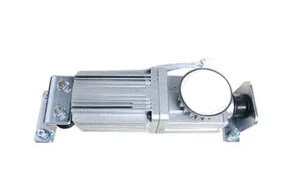
Wired Sliding Door Openers
Pros:
1. Stable Power Supply
Wired systems are hardwired into the building’s electrical infrastructure, providing consistent and uninterrupted power. This ensures reliable performance, especially in high-traffic environments.
2. Lower Signal Interference
Since the system operates via physical connections, it is not affected by Wi-Fi congestion, electromagnetic interference, or signal loss, making it ideal for mission-critical locations such as hospitals or airports.
3. Enhanced Security
Wired access control integrations, such as keycard readers or fire alarm systems, are more secure and difficult to bypass than wireless signals.
4. Long-Term Reliability
With proper installation, wired systems offer long-term durability with minimal connection issues.
Cons:
1. Complex Installation
Wired systems require routing cables through walls or ceilings, which increases installation time and cost—especially in retrofits or finished buildings.
2. Limited Flexibility
Modifying or relocating components after installation is more difficult, requiring additional rewiring.
3. Aesthetic Disruption
Visible cabling may affect the appearance of interiors unless professionally concealed.
Wireless Sliding Door Openers
Pros:
1. Easy Installation
Wireless systems require minimal cabling, making them ideal for fast installations or upgrades in existing buildings without significant structural alterations.
2. Remote Access and Control
Wireless systems often come with smart features that allow remote operation via apps, Bluetooth, or home automation systems.
3. Flexible Positioning
Wireless sensors, switches, or remotes can be easily repositioned or reconfigured as needed, making them ideal for evolving spaces.
4. Clean Design
Without visible wiring, wireless systems maintain a sleek and modern appearance.
Cons:
1. Battery Dependence
Many wireless components rely on batteries, requiring regular replacement and maintenance to avoid operational failure.
2. Signal Interference
Wireless signals can be disrupted by walls, metal structures, or other electronic devices, affecting system performance.
3. Potential Security Risks
Wireless networks can be vulnerable to hacking or unauthorized access if not properly secured.
4. Less Suitable for High-Traffic Areas
In extremely busy settings, wireless systems may not offer the same level of reliability and response time as hardwired solutions.
Which Is Better for Your Building?
The ideal system depends on your application:
- Choose Wired Openers for:
- High-traffic commercial buildings
- Critical infrastructure (airports, hospitals, banks)
- Projects requiring robust access control and compliance
- Choose Wireless Openers for:
- Residential settings
- Renovation projects
- Buildings seeking easy installation and smart features
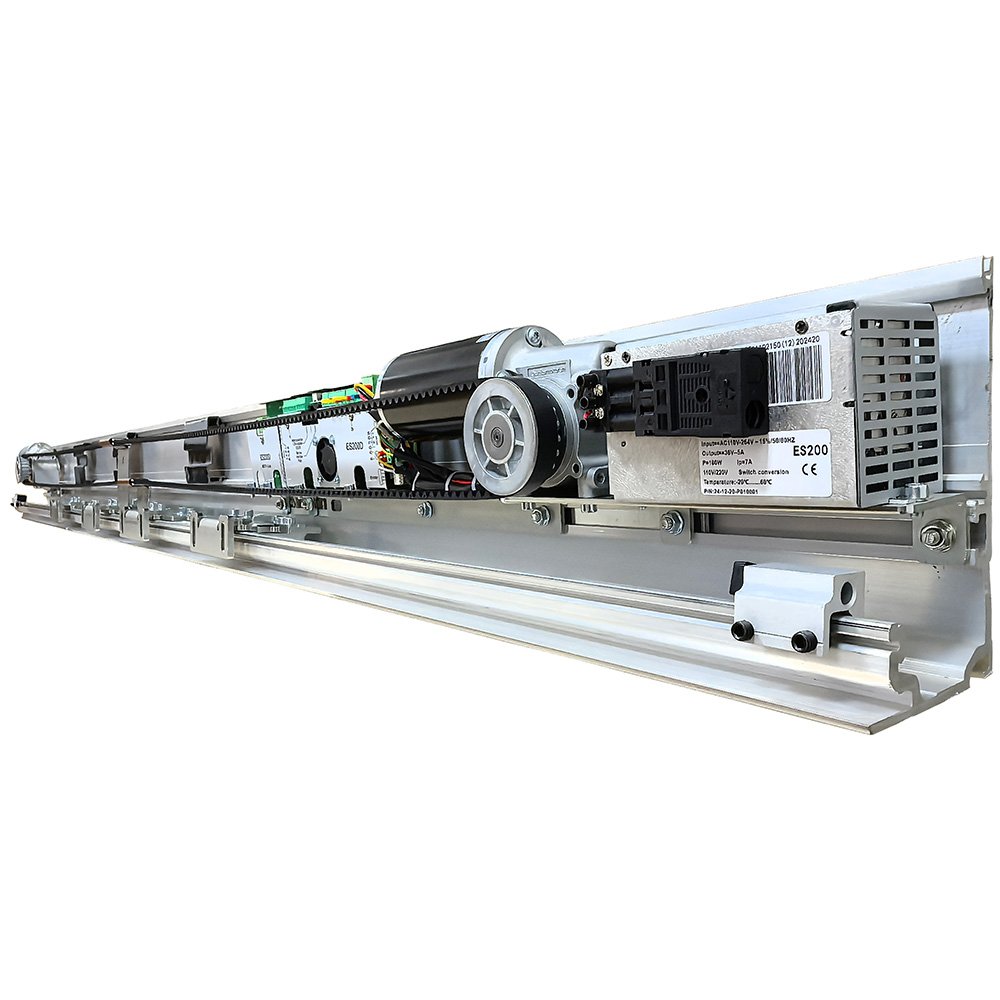
Conclusion
Both wired and wireless sliding door openers offer specific benefits and limitations. Wired systems are unmatched in reliability and performance for demanding applications, while wireless systems offer flexibility, convenience, and a modern aesthetic for smaller-scale or residential use.
At Teeky International, we offer both wired and wireless automatic sliding door solutions tailored to your unique project requirements. For professional consultation or product recommendations, please contact us at msgigifok@foxmail.com.